
Five of us enjoyed two days of birdwatching in North Norfolk, visiting the famous Cley and Salthouse Marshes Nature Reserve on the first day and the spectacular Holkham estate on the second. Cley Marshes, purchased by Norfolk Wildlife Trust in 1926, was the first reserve acquired and managed by a county wildlife trust. Since the 1950s it has become one of Britain’s premier birdwatching sites, renowned for attracting both large numbers of birds and occasional rarities.
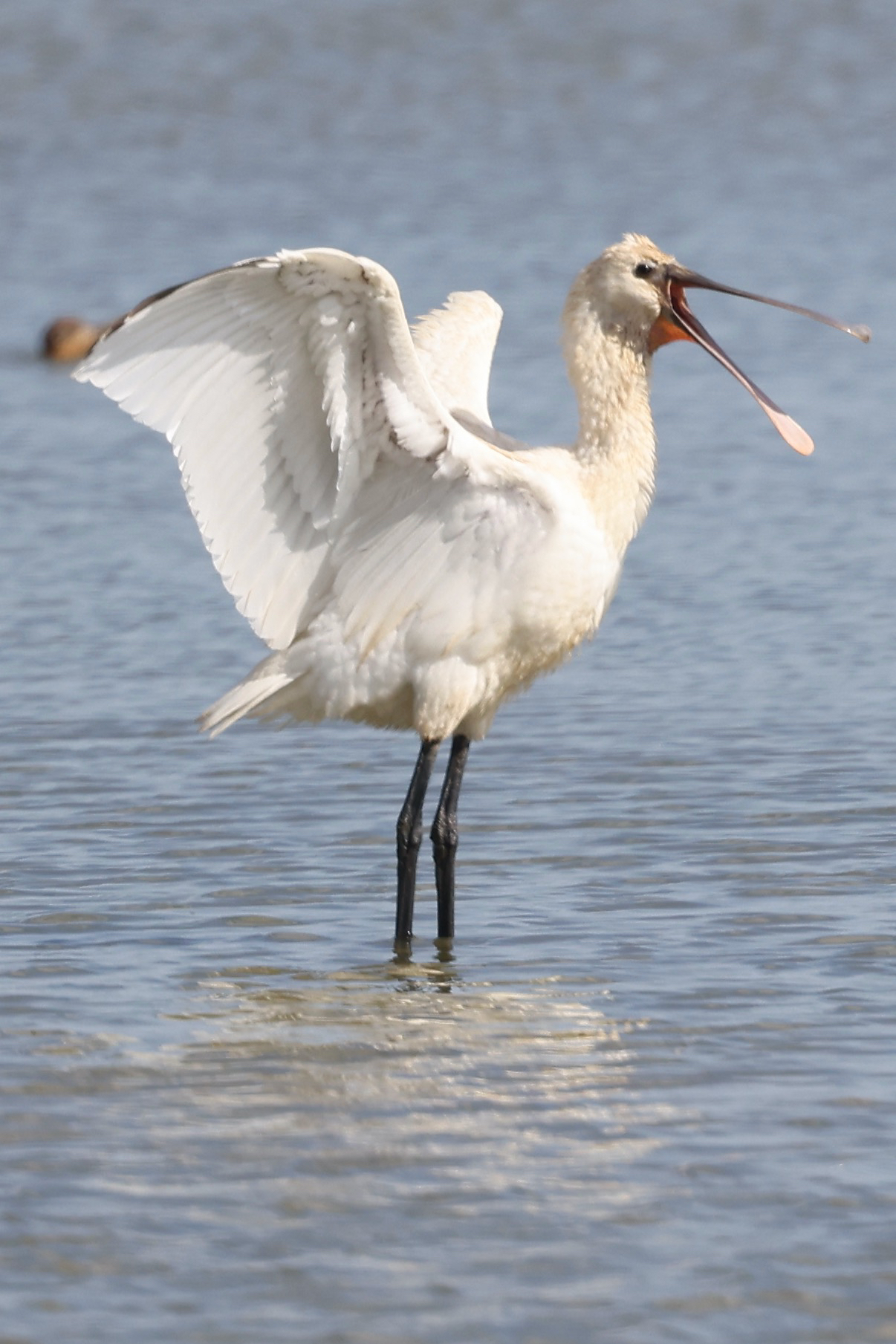
At Cley we explored the Bishop Hide and East Bank in the morning before moving to the thatched hides overlooking the central pools and scrapes in the afternoon. The reserve was alive with birds. Ducks, especially Teal, were abundant, while Greylag and Canada Geese gathered in large flocks alongside a few Egyptian Geese. Black-headed Gulls were numerous, and many of the large white birds proved to be Spoonbills rather than egrets.
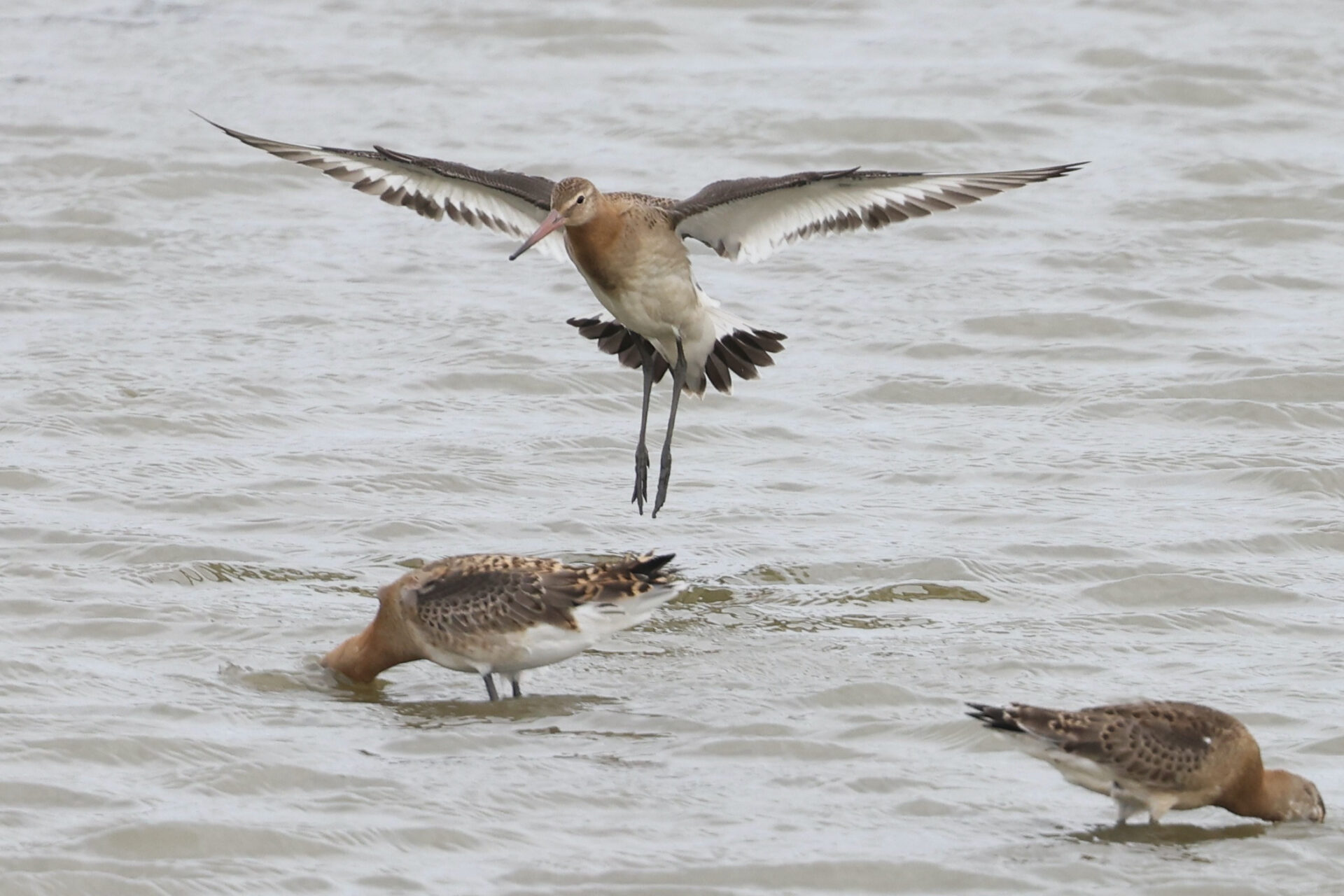
The waders were the highlights. We recorded Avocet, Black-tailed Godwit, Lapwing, Curlew, Common and Spotted Redshank, Snipe, Dunlin, Turnstone and impressive numbers of Ruff. A rare Pectoral Sandpiper, difficult to pick out among the other waders, had attracted plenty of visiting birders.
From the visitor centre we watched an exceptional gathering of 15–20 Grey Herons, including both adults and juveniles. Overhead were Buzzards, Marsh Harriers, Red Kites, a Kestrel and several energetic Hobbies hunting dragonflies on the wing. We were also fortunate to see a Bittern flying low over the reedbeds on two occasions. Swallows, House Martins and Sand Martins added to the spectacle.
Later, at nearby Salthouse, we explored the grazing marshes and shingle bank. Goldfinches, Linnets and Stonechats were plentiful, while two Wheatears provided particularly pleasing views. Offshore, noisy Sandwich Terns plunged into the surf for small fish. We also admired the saltmarsh flora, including glassworts, Sea Aster and Sea Lavender.
The second day at Holkham offered a different experience. Despite light rain, the pine belt behind the dunes held feeding flocks of tits and warblers, singing Robins and several Little Grebes. From the raised hides we scanned the grazing marshes, where Spoonbills have bred since 2010, and enjoyed good views of Marsh Harriers, a Red Kite, a Brown Hare and a cautious Muntjac. Although a juvenile White-tailed Eagle failed to appear, our return along the vast beach produced Sanderling and Ringed Plover.
The open coastal landscapes and huge skies of North Norfolk provide a striking contrast to Teesdale. With more than 70 bird species recorded over the two days, it was late-summer birding at its finest.