
Our discussion revolved around the following major issues.
For comparative purposes we started with a brief recap of a previous presentation of human rights. The main point was how far should animals be afforded rights derived from them having an inherent value, independent of human considerations ? It was noted that humans, who have moral agency, have rights, but also responsibilities. How far can animals have responsibilities ? Philosophers contend that moral agency requires that an individual must distinguish right from wrong, can choose freely, and hence be held accountable for their actions. The extent to which animals can choose, and act purposefully based on moral understanding, is debatable – more likely in some cases (great apes, whales/dolphins, elephants) and less in others (a mouse).
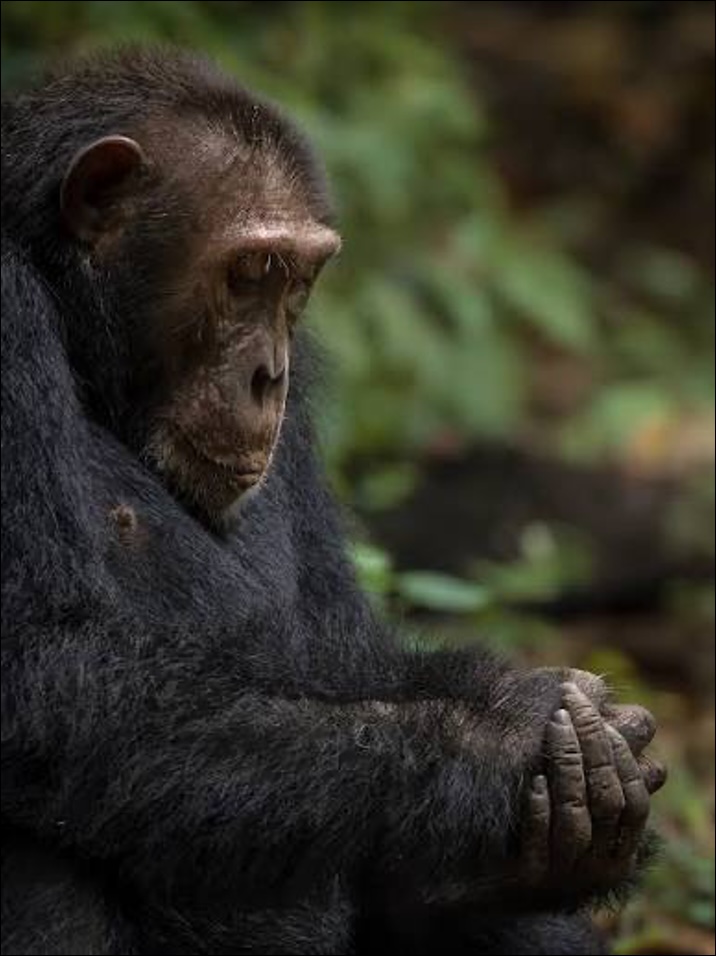
Aside from questions of moral agency, there are those who argue the inherent value of animals means they should have legal rights, akin to those afforded to humans. Their arguments lie on a spectrum from the relatively modest (animals deserve protection from unnecessary suffering), to more radical (animals deserve rights equivalent to those of humans). Our current animal welfare law reflects protection from suffering, while aspects of contemporary philosophy grapple with the conundrum of rights for animals.
It may be relevant that such deliberations deal only with relationships between animals and humans, never between animals and animals – ‘let nature take its course’. We humans are, of course, a product of evolutionary biology and are here because we have negotiated the Darwinian imperative – to survive and reproduce. Consequently, and throughout, human well-being has depended importantly on our relations with animals.
Animals have been and are useful to humans in many ways – food, clothing, transport, companionship, and more recently, safety testing of medicines, and scientific and medical research….to name but a few. Animal welfare therefore has a strong utilitarian basis. A further reason is anthropomorphism – if we think animals think and feel like us, we will likely extend our human-to-human morality also to encompass our dealings with them. For example, when an animal appears to be suffering, for both neurological and behavioural reasons, anthropomorphism is probably a useful guide.
Thus, utilitarian, empathetic, and current legal requirements all point to the importance of treating animals well – keeping them healthy, well fed and watered, and preventing any unnecessary suffering. In so doing, our ability to survive and reproduce will only be enhanced.
Report by Pete Redgrave