
Ten members of the group listened to Alan giving a talk “How Do I Know I’m Right?”
An element of doubt sometime creeps into the mind of every family history researcher – what if I’m reaching the wrong person, or even a completely wrong family line. Experience backed up by learning gives some reassurance, but the Genealogical Proof System (GPS) aims to provide a technique for maximum confidence in research results. In its full rigour it is aimed at professional genealogists, but every family historian can benefit from following its approach.
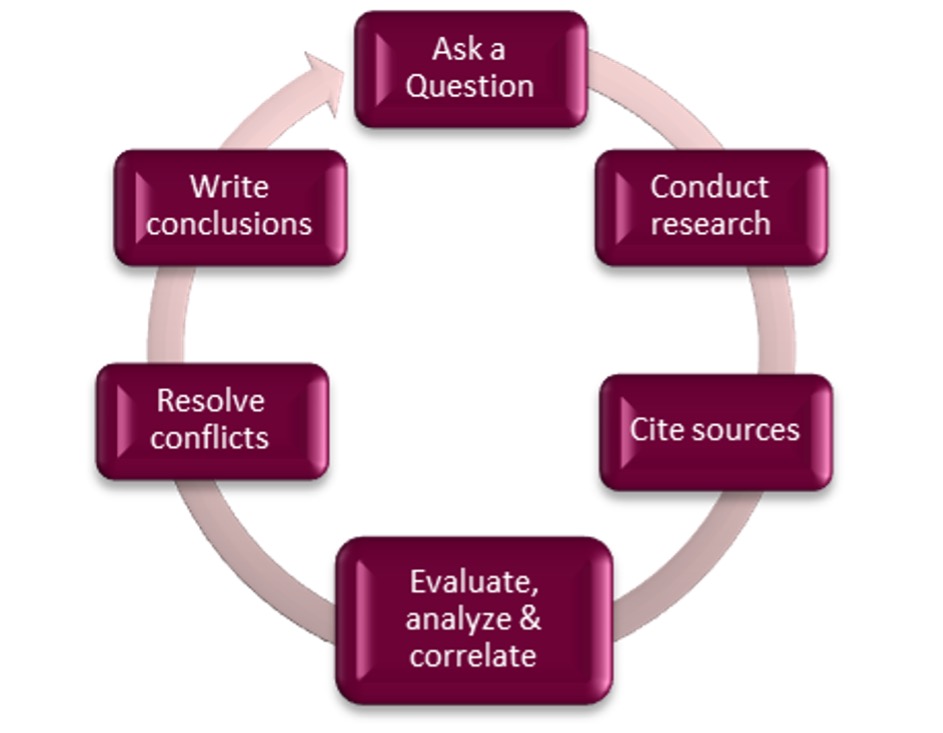
‘Formulate a question; conduct research; cite your sources; evaluate, analyse and correlate; resolve conflicts; write conclusions.’ These are the steps in the GPS and the Board for Certification of Genealogists (an American organisation) has set out standards to which each of the steps should be conducted. The use of DNS testing has been incorporated since 2019. I could see some members of the group roll their eyes at the pernickety detail of some of the standards but “Proof is a fundamental concept in genealogy. To merit confidence, each conclusion about an ancestor must have sufficient credibility to be accepted as ‘proved’. Other family historians following your research should be able to satisfy themselves as to the correctness of your conclusions. However, ‘reasonable’ care underlies the standards and ‘reasonable’ can vary according the purposes of the research. So, know what near perfection consists of but set your own standards.
Next month’s talk will be “What can I find out about my great-grandmother?” It will be followed by a ‘Help your Neighbour’ practical session.
Alan Swindale